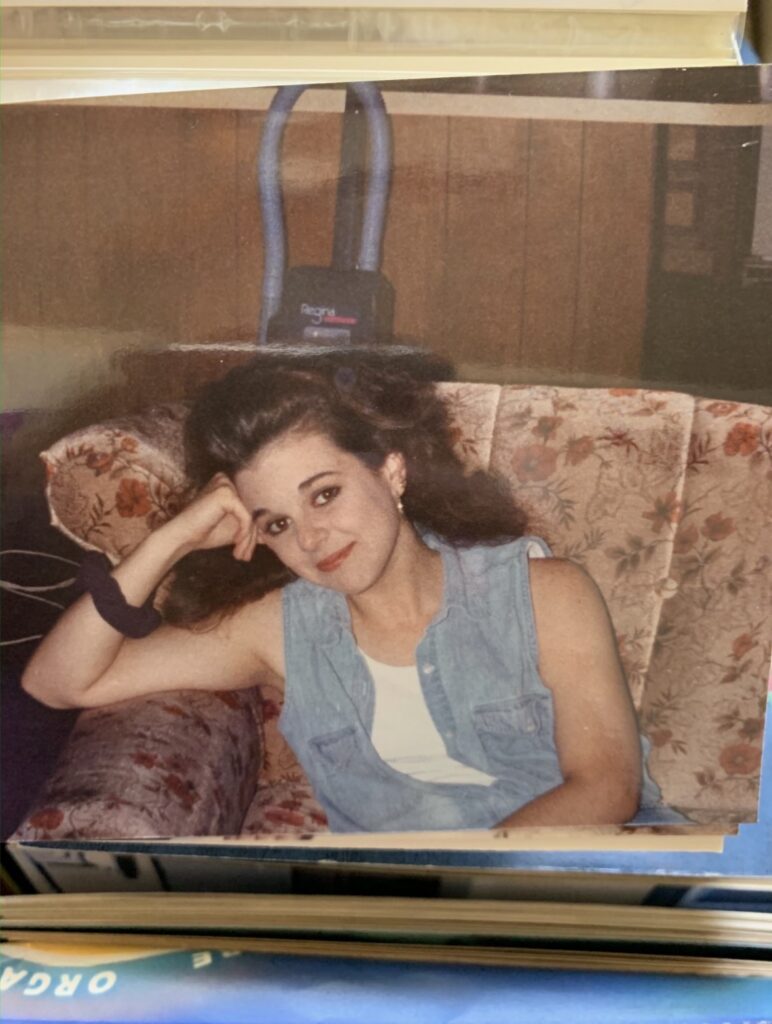
“Teen dating violence is seen, it is experienced and yet, far too often, it goes unspoken.It makes me think of the old image: see no evil, hear no evil, speak no evil. We witnessed it. We sensed it. But we stayed quiet. We moved through our teenage years believing the jealousy, the control, the hurt was all just a “rite of passage” something everyone goes through on the way to love. But it wasn’t and it isn’t. When we fail to talk about teen dating violence, when we don’t educate and equip our young people, we don’t just stay silent we create space for more victims and more bystanders who don’t know how to step in. Silence doesn’t protect our teens, it isolates them.
Growing up watching a healthy, loving marriage between parents can distort reality. You believe every relationship must look like theirs and in that naïve understanding, domestic violence is something that only exists in Hollywood. You know the kind dramatic, distant, and always wrapped up with a tidy, happy ending. The reality is Domestic Violence is very real. It exists in our neighborhoods, our schools, and our communities and it thrives in the gaps, the places where education is missing and conversations are avoided. As teenagers, we thought we knew everything, we resisted advice, we didn’t want to ask for help. But now, as adults, we have a responsibility not to let that reality silence us. We can be the voices we didn’t know we needed. We can start conversations that feel uncomfortable. We can share information, offer support, and advocate fiercely for the teens in our lives regardless of their upbringing.
Let’s speak up not only for them, but for the teenage versions of ourselves who may not have had the words, the knowledge, or the courage to say, ‘This isn’t right.’ Let’s make sure the next generation knows that love should never hurt and that there is help!”
– Mel (pictured in her teenage years, along with our staff) 
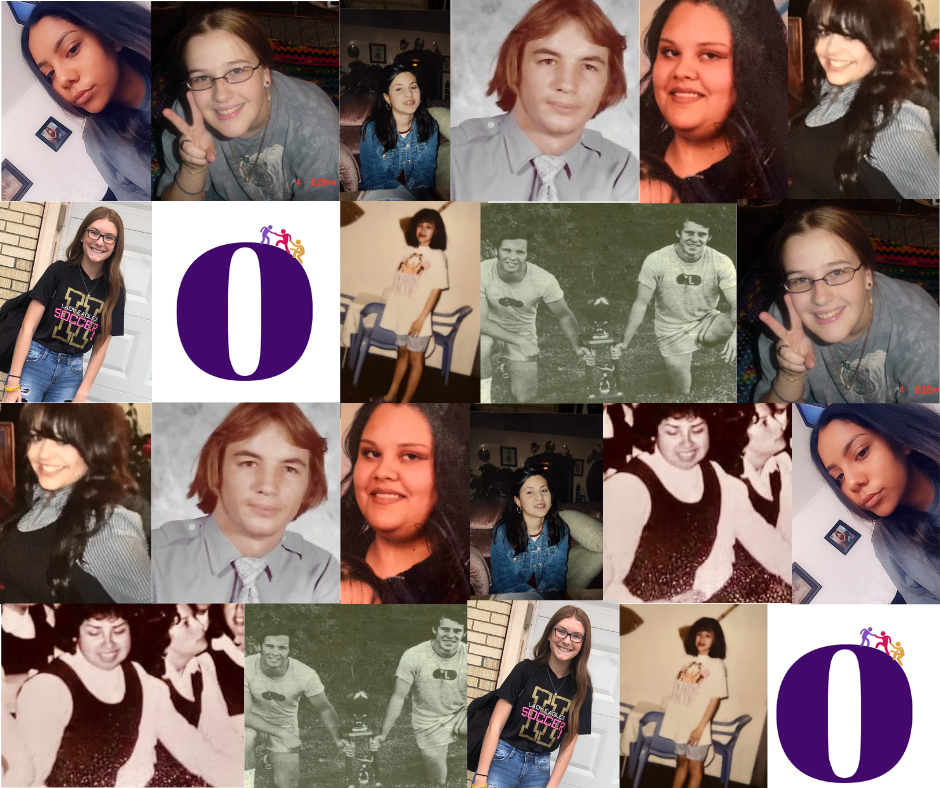
“When I was a teen, I was with someone way older who was dangerous. At the time, I didn’t even know what was happening I just felt scared, trapped, and completely alone. I wish I had known I didn’t have to go through it by myself. You don’t have to either you deserve a healthy love”
– Monkia (pictured as her 18-year-old self)
“I wish I would’ve known as a teen that dating violence wasn’t something my friends had to face alone. I watched people I cared about navigate unsafe relationships, and at the time, I didn’t know how to help or what to say. Knowing now that support exists and that there are resources, words, and people ready to step in reminds me how powerful it can be to turn silence into a voice and help someone find a way out.”
– Becca (pictured as her 17-year-old self)
“Teen dating violence can take many different forms.
For example, when the father (me) discovers that his own daughter has experienced teen dating violence, his initial reaction is one of rage and revenge! Due to circumstances beyond his control, there is nothing he can do but pray. He later learned that this dating violence started in Colorado, then in Colombia, then in California. Again, he felt a frustration that literally stifled his every thought. Police reports were documented, yet there was nothing anyone could do but wait. The daughter eventually returned home safe, and she attended counseling and questioned why her own father could not help her during these horrific times. Tears abound. To this day, memories cannot be erased, nor can the sense of abandonment be healed. Teen dating violence not only affects the victim, but there are ripple effects throughout the whole family.”
– David
“Teen dating violence often doesn’t start with obvious harm. It can begin slowly, like corrosion, wearing down confidence, independence, and self-worth over time. Control can be mistaken for care, jealousy for love, and silence for peace. Education and open conversations are key to helping young people recognize healthy relationships early and understand that respect, trust, and safety should always be the foundation of love.
For many, these lessons don’t always come in the teenage years. Some continue to navigate unhealthy relationship patterns into adulthood, learning sometimes the hard way. That healing, boundaries, and self respect are lifelong skills. Ending teen dating violence starts with awareness, support, and reminding one another that everyone deserves to feel safe, valued, and heard in their relationships.”
– Corina (pictured as her 16-year-old self)